First Responder
First Responder is where arrival becomes threat. It centers on process, timing, observation, and trust—and the uneasy realization that the first one to show up may not be there to save anyone. This page should feel like fragments pulled from a system that already knows more than it should.
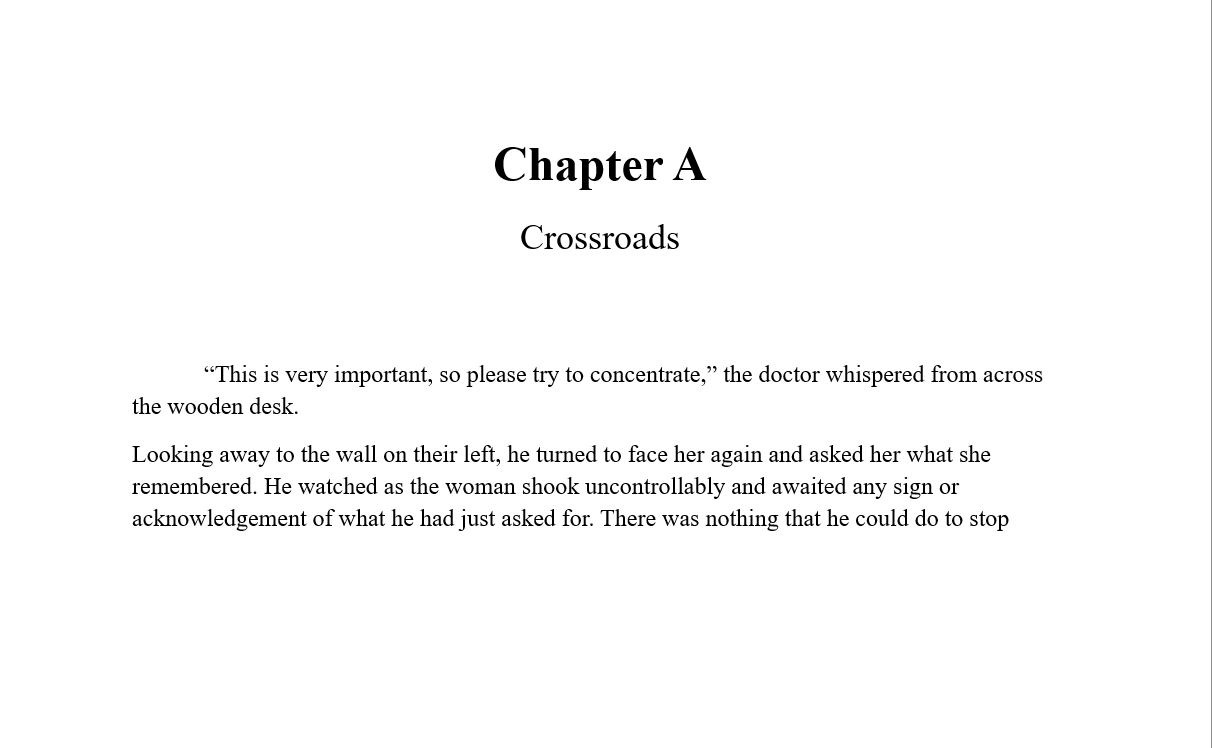
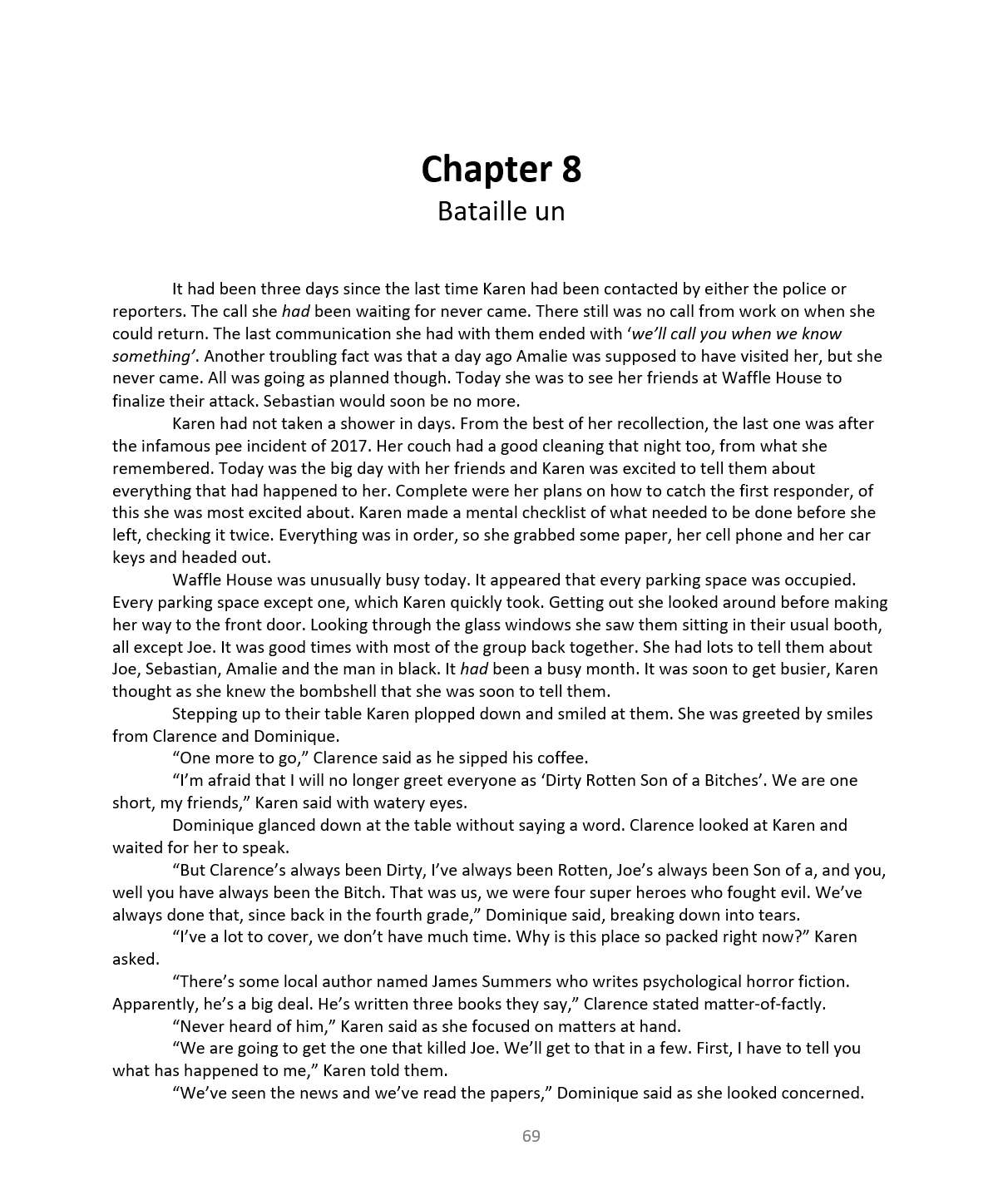
Use it for direct reading, clips, short-form hooks, page images, one-minute-nine-second commentary, or any recurring 69 device built into how the book is experienced.
What This Does
First Responder is not about rescue. It is about arrival. What reaches the scene first is not automatically there to help, and you should feel that uncertainty immediately.
The 69 structure works here because it removes context. It isolates the moment. Short fragments expose timing, presence, and the quiet shift where authority begins to feel misaligned with its purpose.
This is not about understanding the system.
It is about realizing something is already wrong.
Core Features
69-Second Rants
This section is for short, pointed spoken pieces — commentary, irritation, warning, admiration, theme breakdown, craft note, or any other subject you want to address in sixty-nine seconds.
Visual Support



Pressure Points
This is the book where arrival itself becomes suspicious. The first presence at the scene is not inherently rescue. It may be appetite, timing, or design wearing a professional face.
Assessment, stabilization, transport — the logic of emergency care is part of the tension. The known structure makes the disruption worse because the reader understands what should be happening.
The system is already compromised when he enters. He isn’t random. He is what happens when expertise and hunger stop pretending they are separate.
Some Reader Comments
Why This Works
A page like this is fun. It lets you touch my book in fragments first,
which is often more dangerous than giving you the whole thing cleanly.
More 69
Enjoy your 69. Again.
With others.