They Heinous — Behind the Book
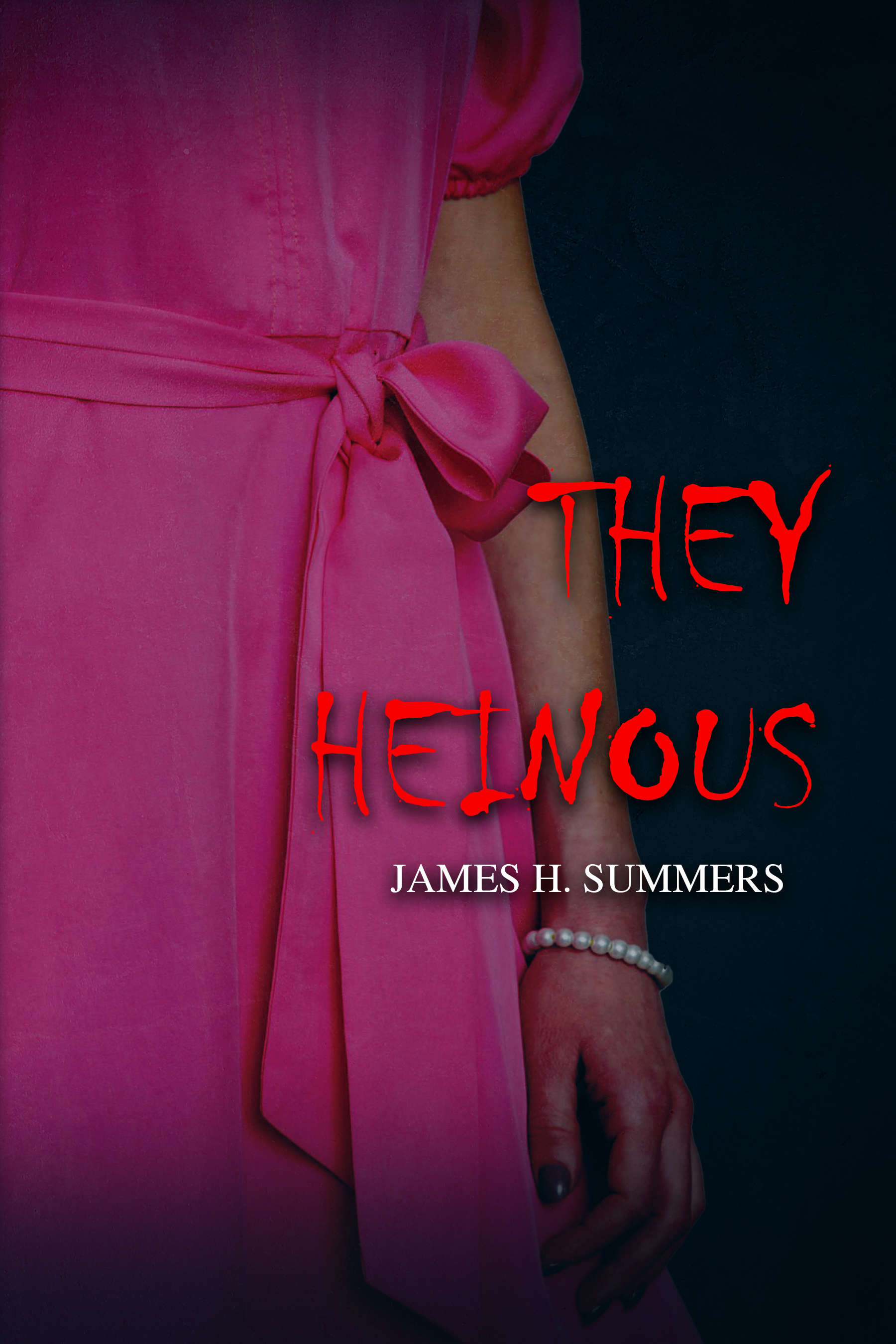
Photos, fragments, and field notes from a therapy program where the wrong people get better help than they deserve.
They Heinous started with a crooked question: what happens when the person who designs your path to healing quietly believes some people don’t deserve to be healed at all? From that question came a clinic built on progress notes and pain scales; a careful split between Nick, the meticulous therapist, and Nikki, the merciless shadow who removes the ones who waste their second chances.
Every intake form becomes a test. Every missed appointment, every half-hearted effort, every relapse is logged, studied, and weighed. Threaded through the program is Sami, a determined reporter tracking a pattern of vanished patients and broken bodies. Around her, a dark-web collective called Children of the Dark trades photos, reports, and rumors, while an unseen researcher feeds her just enough truth to keep her alive — and moving in the direction of something worse.
The hook here is moral filtration: the clinic pretends to offer recovery, but somewhere inside the system someone has decided that effort is the real currency of worth — and the people who run out of it may not get to keep living in the world.



Visual Strip — They Heinous World
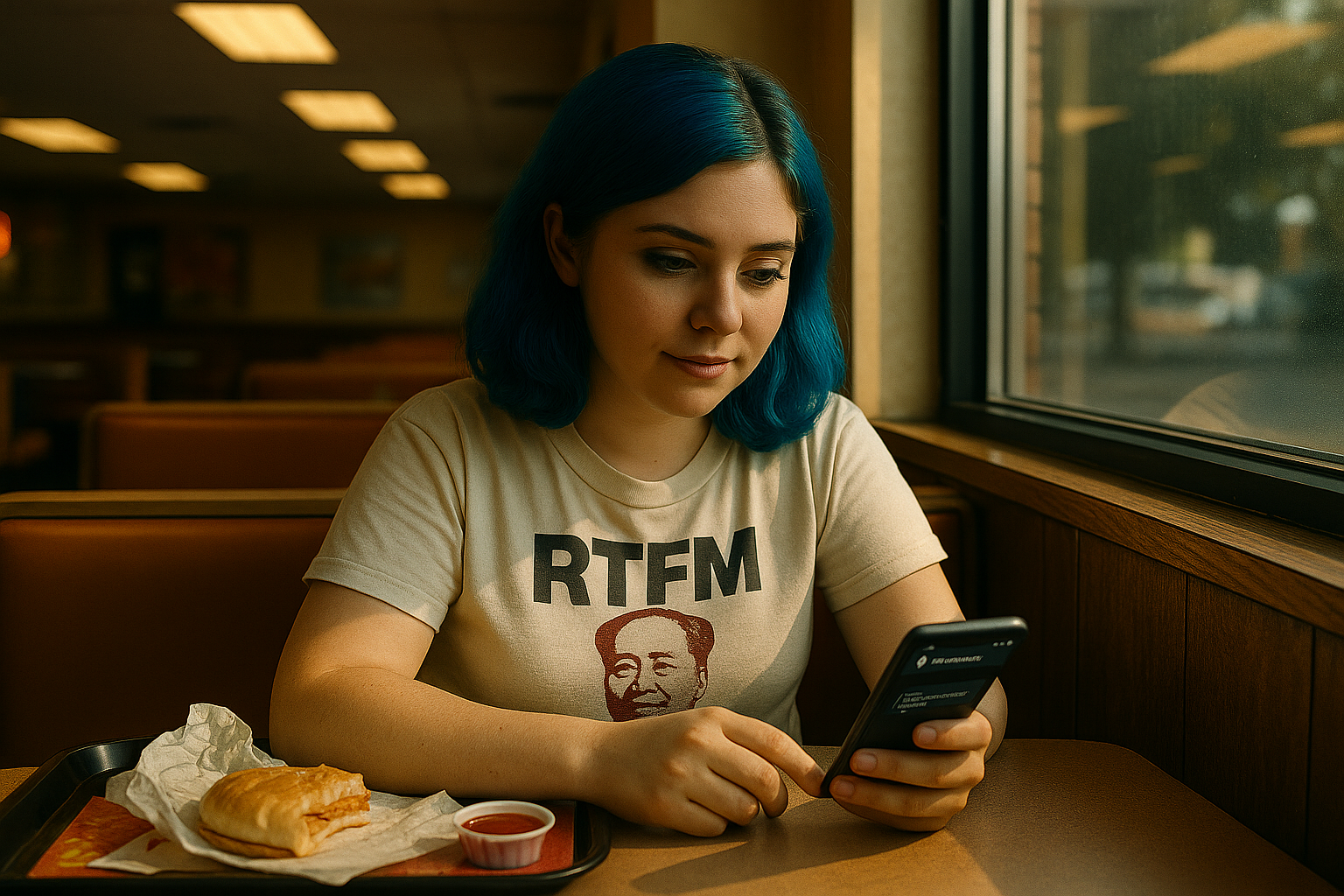
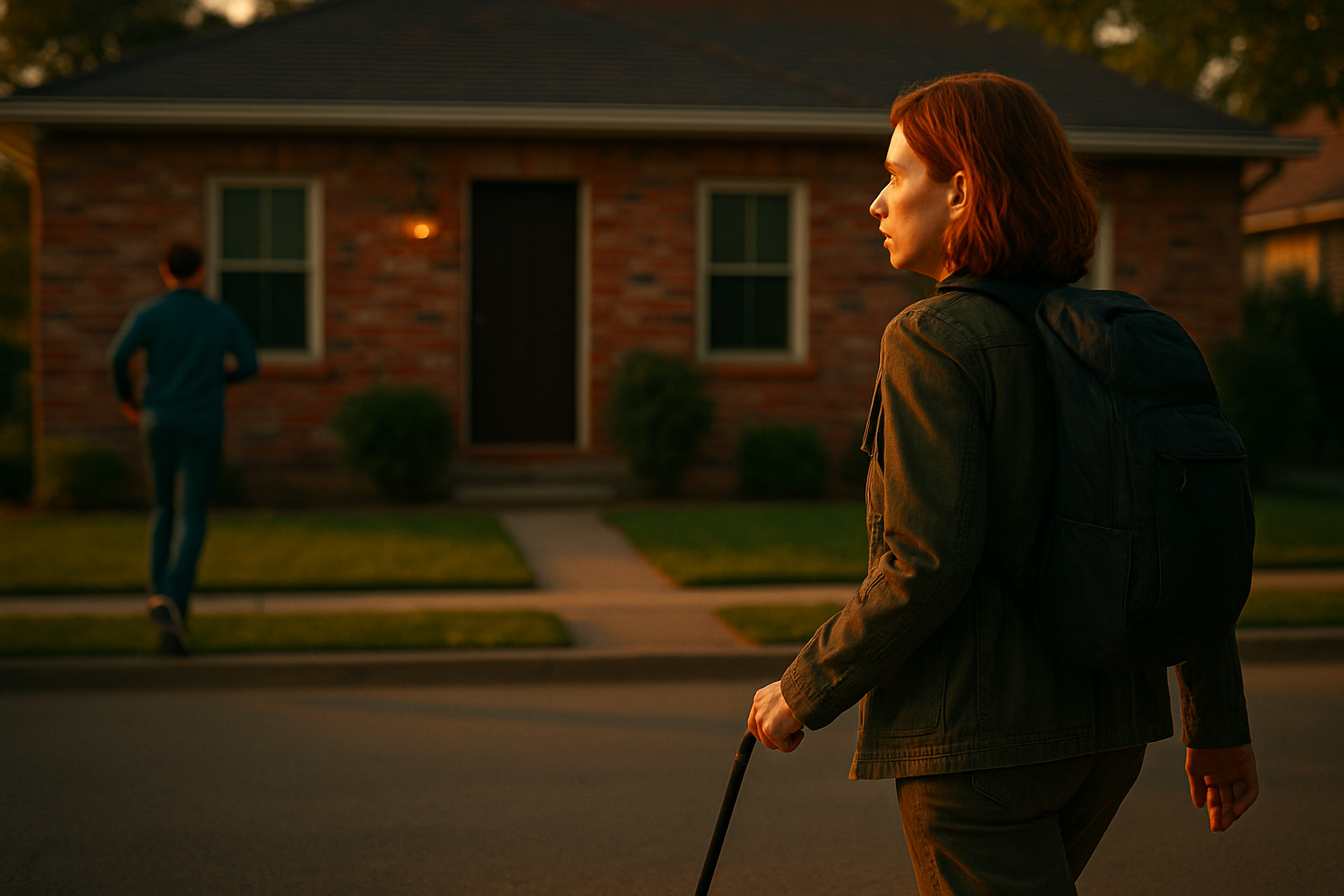
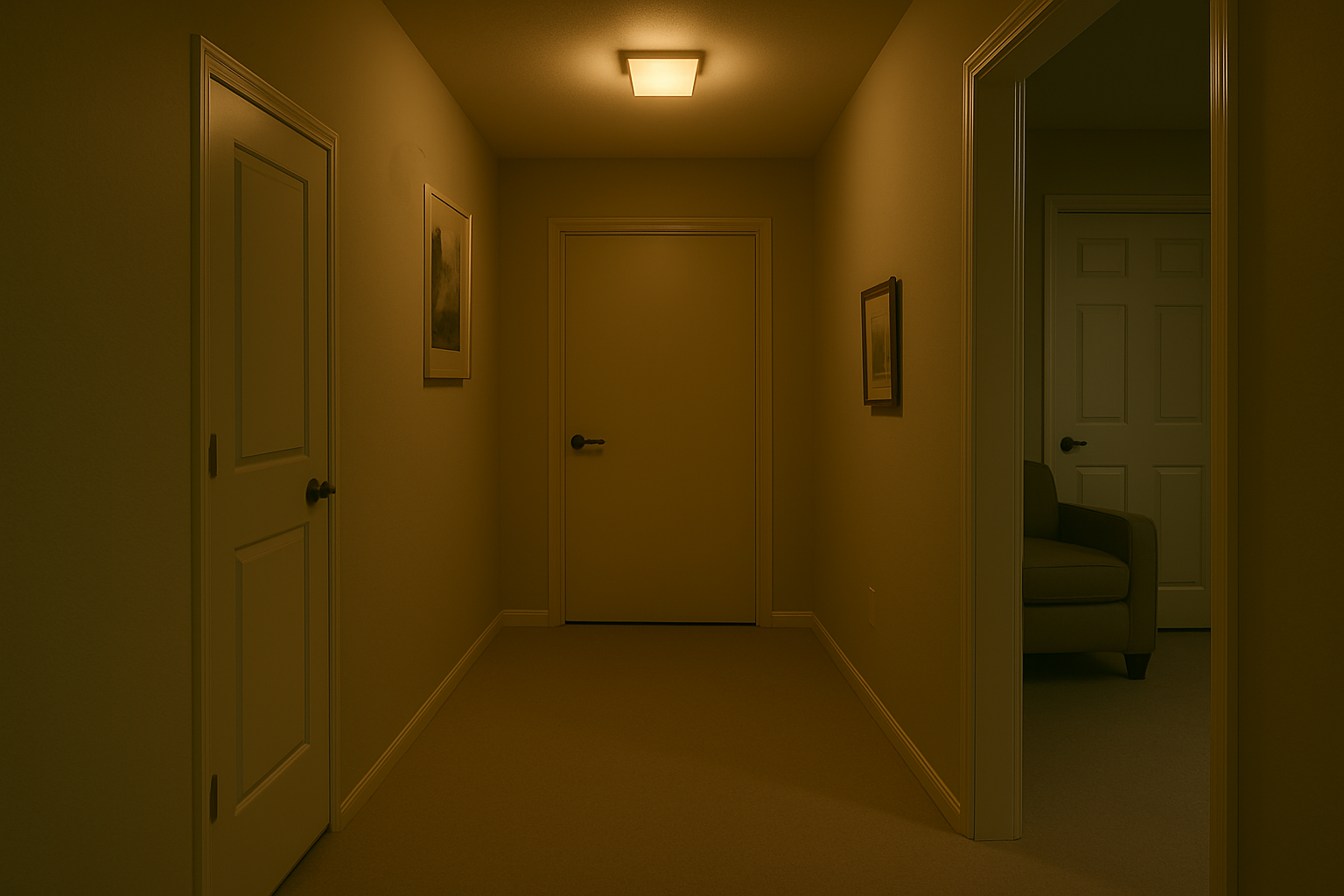
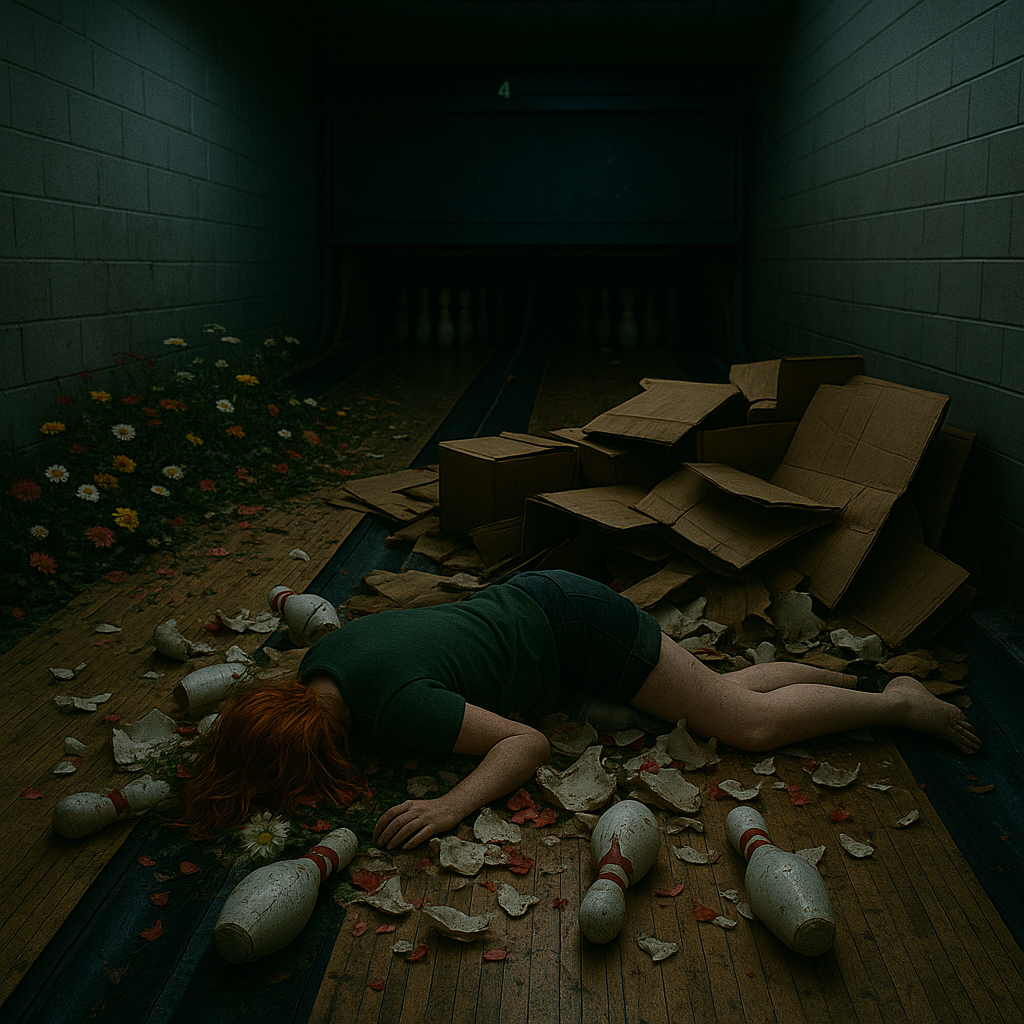
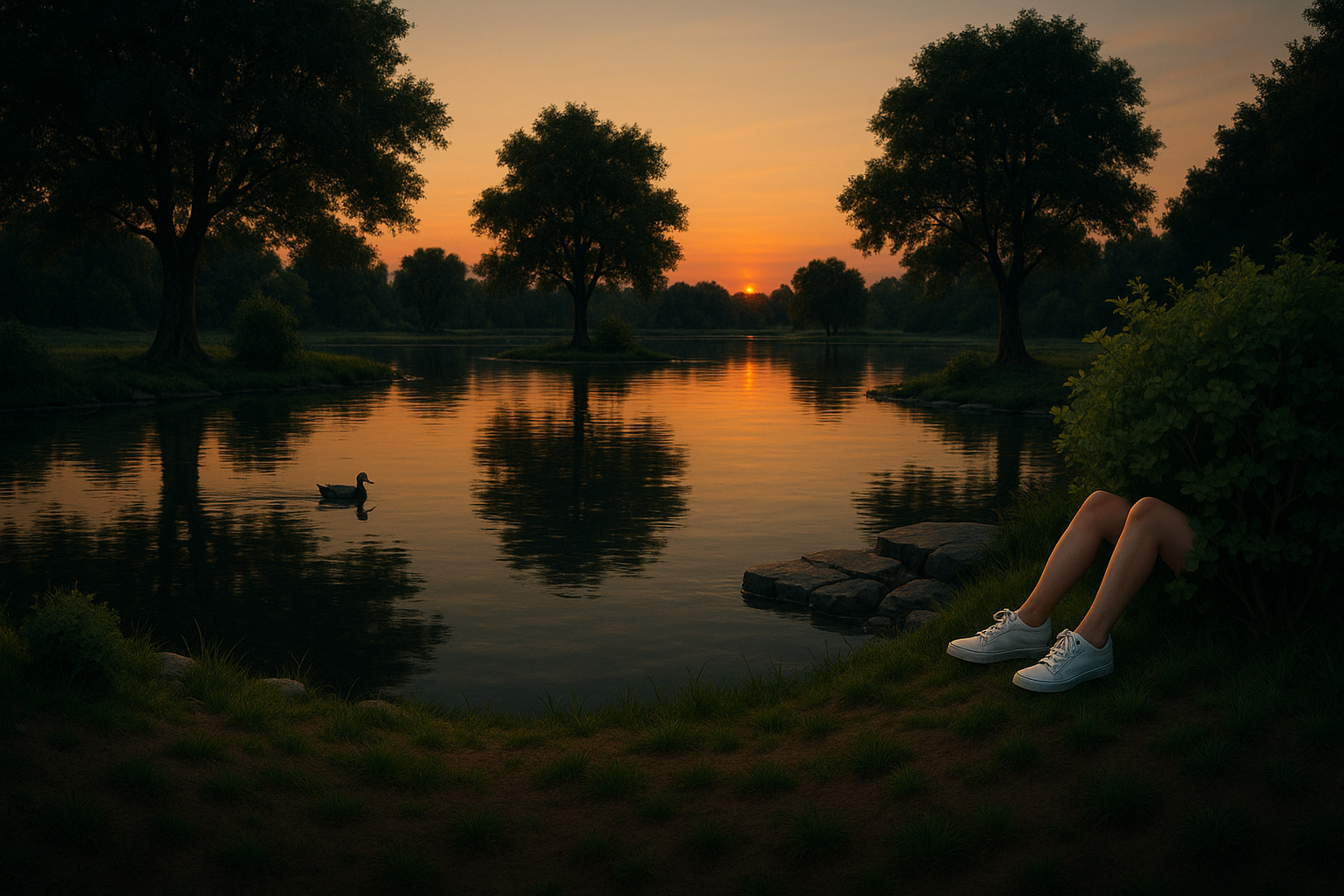
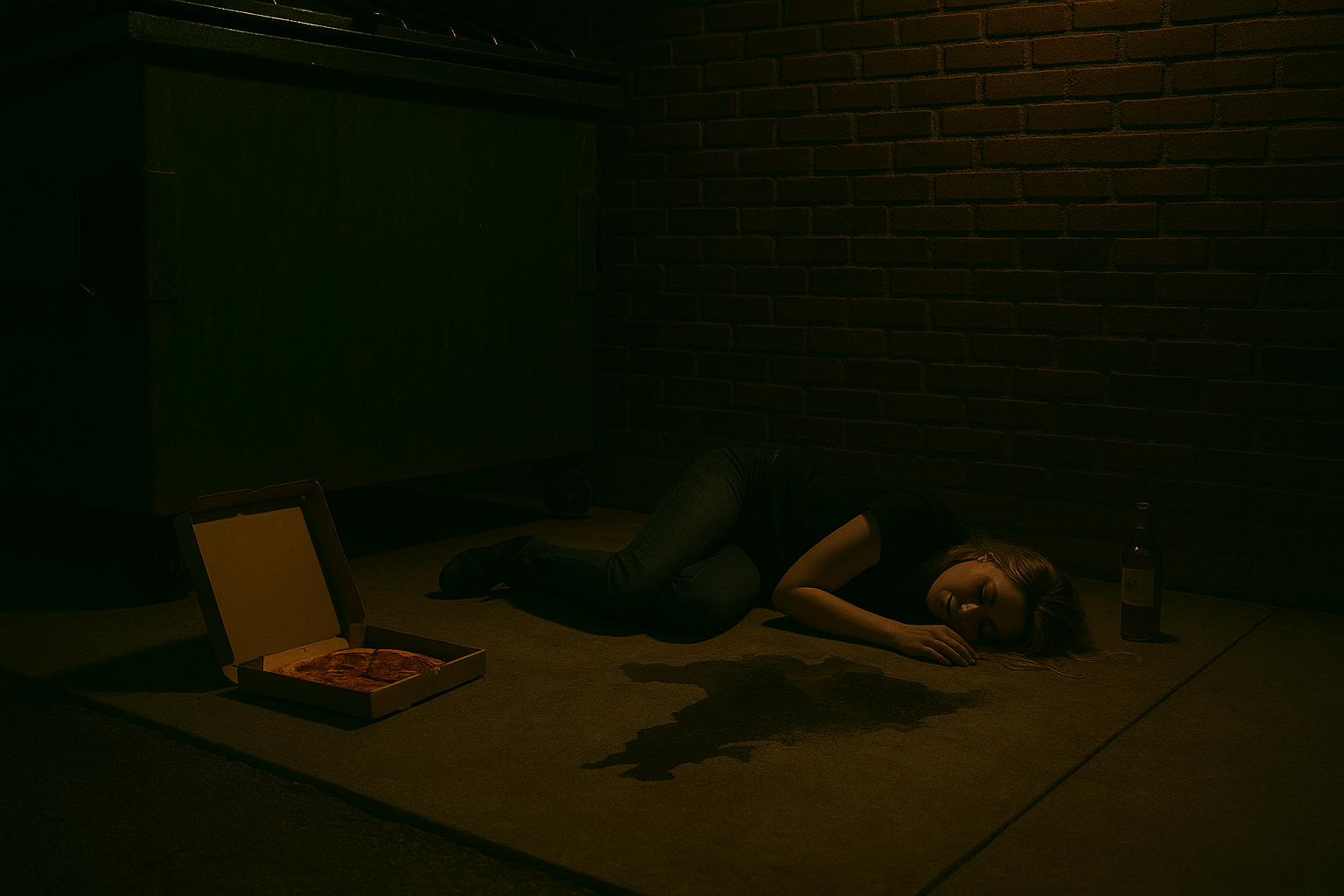
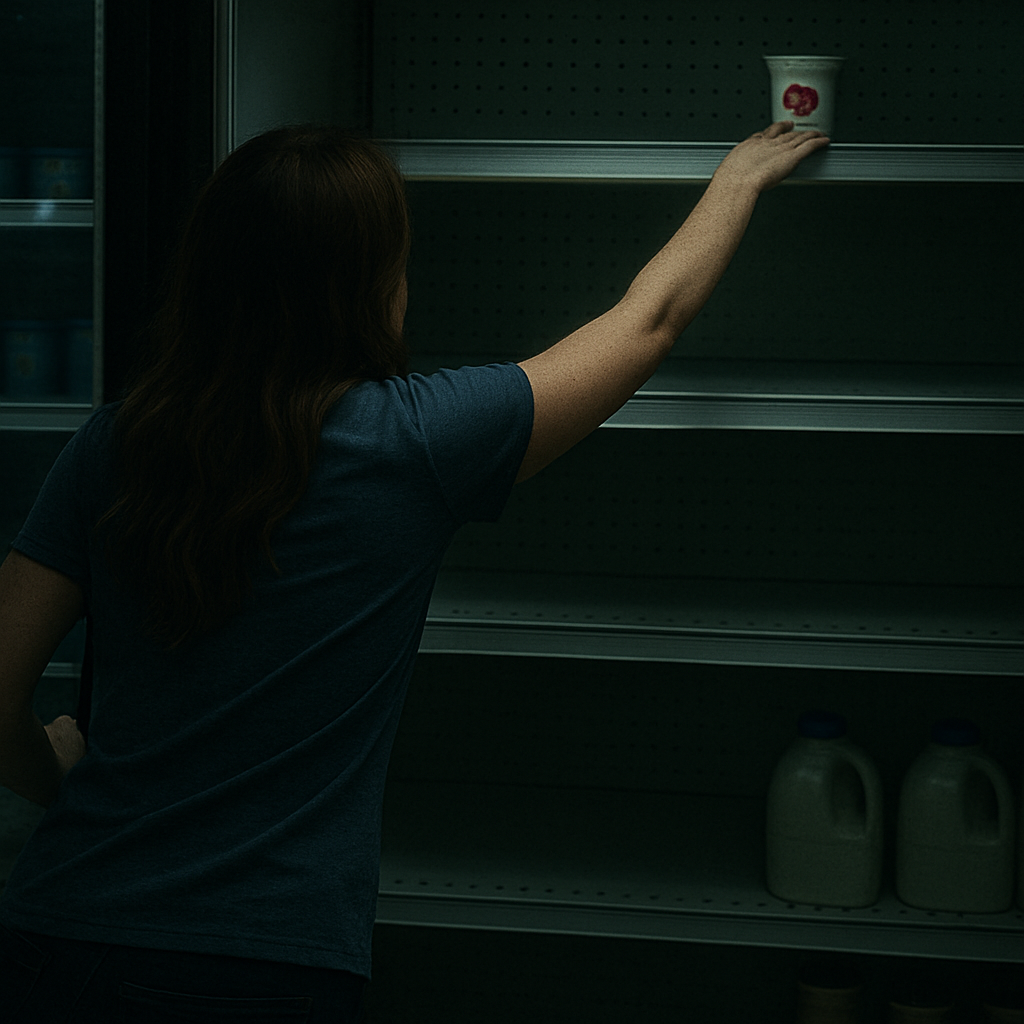
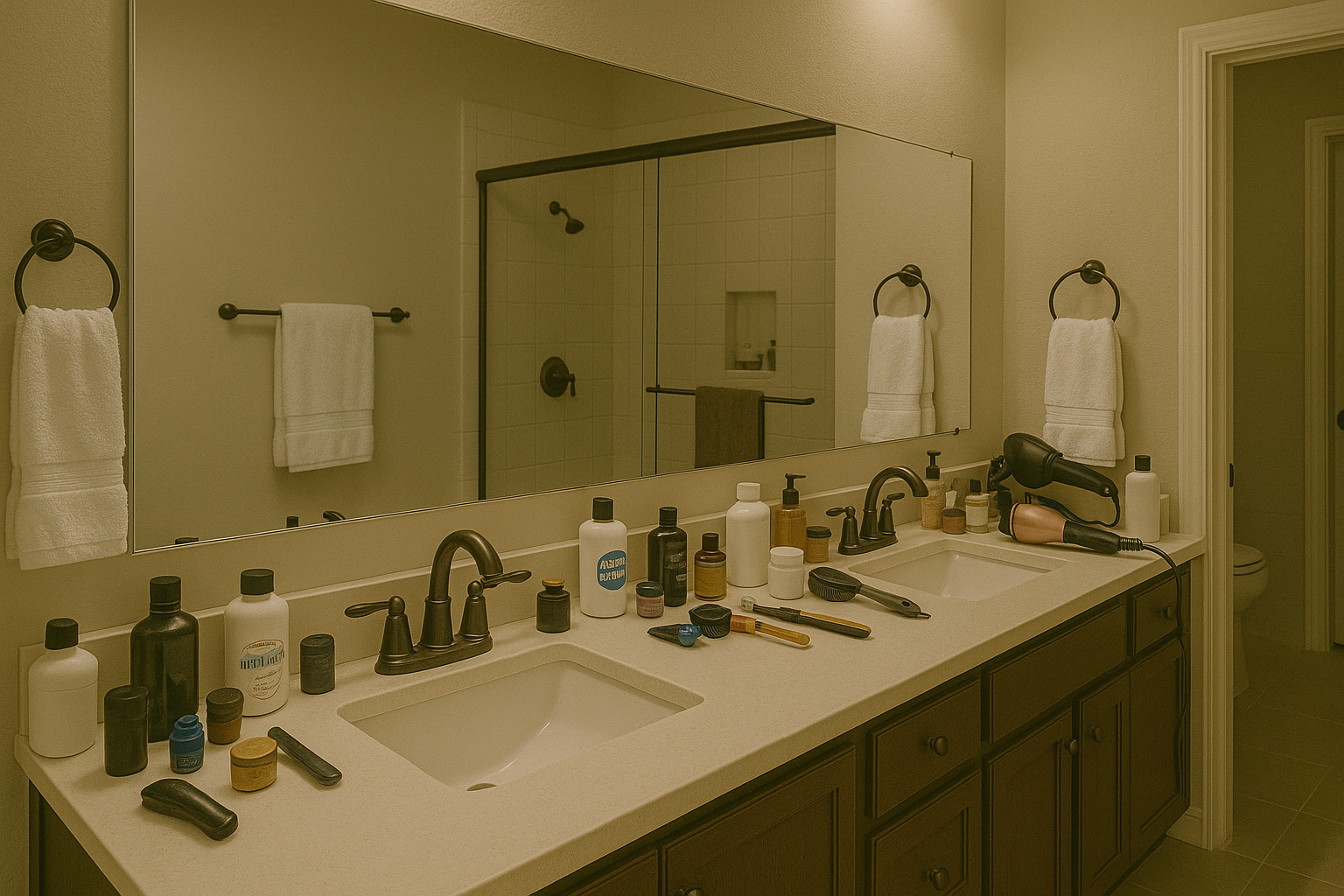
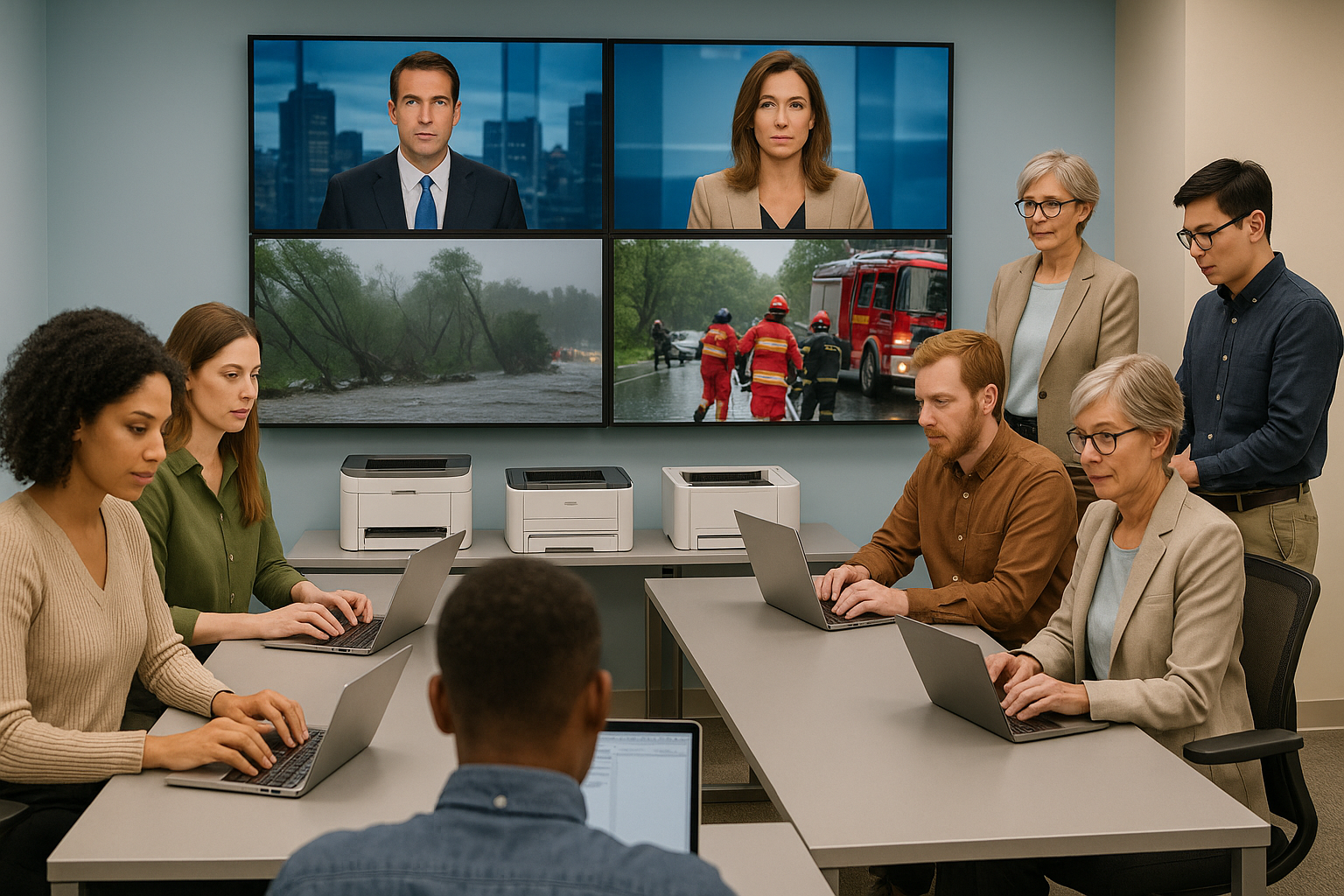
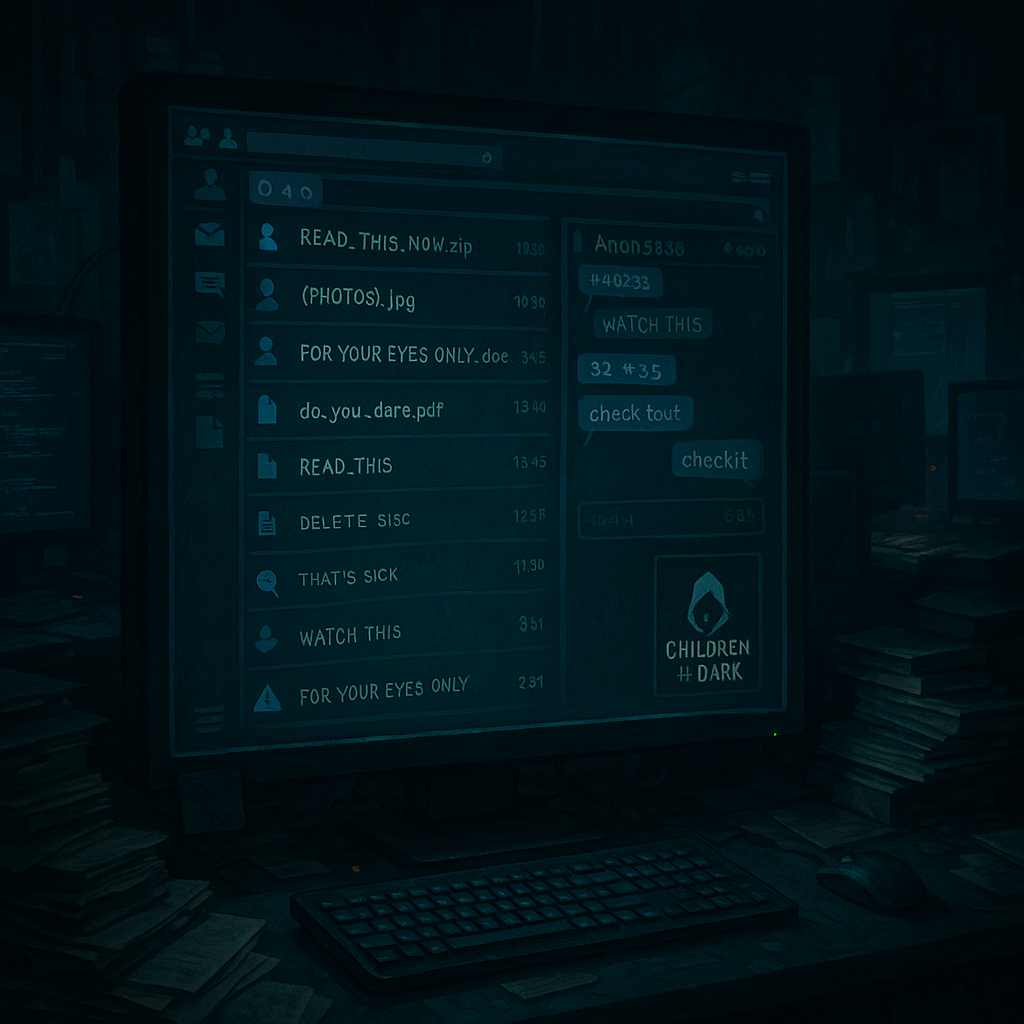
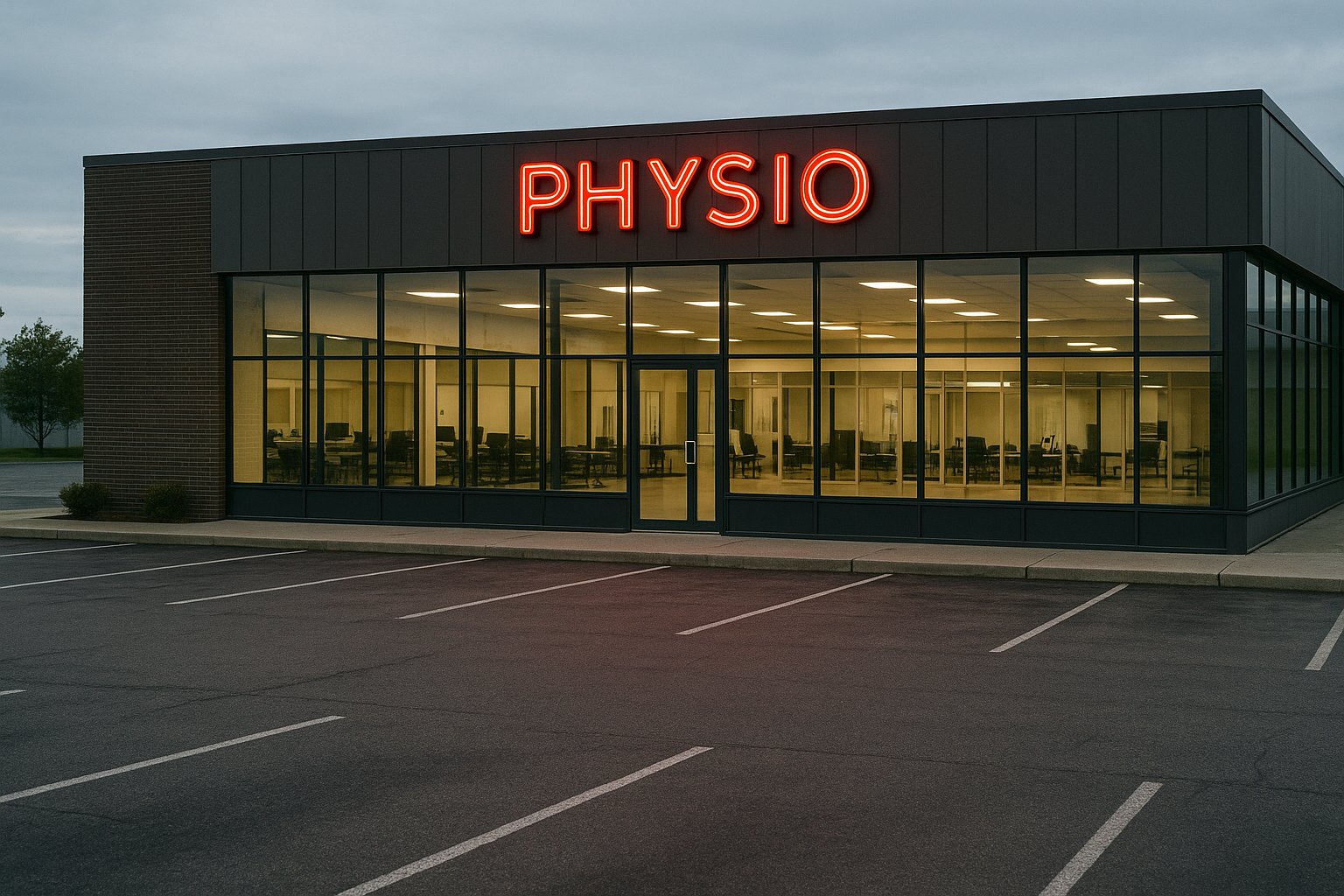
Conceptual frames from the world of They Heinous — therapy rooms, crime scenes, basements, and the quiet places where THEY decide who still deserves help.



They Heinous — Book Snapshot
Why Read They Heinous?
Because it treats recovery like a crime scene and relapse like a clue. They Heinous is a psychological-horror thriller about a therapist who believes effort is everything, a shadow who punishes those who waste it, and a reporter who pieces together what vanishes between discharge and death. If you like horror built on obsession, patterns, and moral fracture rather than jump-scares, this is where the system itself becomes the monster.
Description
By day, Nick runs an intensive therapy and rehab program, charting progress, setting goals, and pushing clients to do the work. By night, Nikki moves through the same city with a different ledger, targeting the ones who skip, stall, or sabotage their own recovery. Somewhere between them is THEY: the presence that chooses who stays in the world and who vanishes into a pattern of themed deaths.
Sami, a crime reporter with more curiosity than self-preservation, starts tracing the five girls whose cases never added up. Each one had surgery. Each one went to the same rehab center. Each one stopped showing up. As she digs deeper, anonymous messages, dark-web dossiers, and a researcher named Claire start feeding her information. The closer she gets to the truth, the more obvious it becomes that whoever is killing these girls knows exactly how the system works — because they built part of it.
Teaser
A bowling lane. A farm pond. A grocery store alley. A ravine. Five different women, five different lives, five different surgeries that were supposed to help them move again. Somewhere in the paperwork, all five were reduced to missed appointments, failed goals, and red ink.
In a city that insists it did everything it could, They Heinous asks who gets to decide when someone has truly given up. The clinic claims it discharged them. The police call them tragedies. Nick keeps writing his notes. Nikki keeps making her rounds. Sami keeps following the bodies. THEY keep score.
Excerpts — Curated Moments
- The Intake: James walks into Nick’s office expecting another clipboard and clock. Instead, he finds a therapist who already knows every angle of his pain — and is quietly deciding whether James belongs in the little black book of people worth saving.
- The Pattern: Sami reads five case files until the victims blur together: bowling lane, farm pond, dumpster, stock door, ravine. Different cities, different lives, but the same rehab logo at the top of each chart — and the same sense that someone decided they’d wasted their last chance.
- The Basement: Below the clinic, a door leads to a room that looks nothing like therapy. What happens there isn’t about healing; it’s about making sure no one can ever connect a discharged file to a themed crime scene.
- The White Room: In a stark white bedroom that looks more like a lab, Claire disappears into screens and encrypted tunnels. The dark web is the only place she feels seen, feeding Sami just enough truth to keep her alive — and aimed at something worse.
Themes & Triggers (Reader Advisory)
- Serial and patterned killings (non-graphic but psychologically intense)
- Mental health, addiction, and recovery culture
- Moral judgment, gatekeeping, and abuse of professional power
- Stalking, surveillance, and dark-web investigation
- Trans identity, dissociation, and fragmented selfhood
- Dark humor threaded through rising dread
Fun Facts
- The five girls’ crime scenes were all built around ordinary locations where people try to improve their lives: a bowling league, a running trail, a grocery store, a house party, a rehab program.
- Children of the Dark (CotD) is the book’s dark-web echo chamber, a place where people who “know too much” trade information and trauma in equal measure.
- This story crosses paths with the wider universe that includes First Responder and Second Chances, with Claire and the Creepy Thin Man acting as connective tissue between investigations.
Key Characters (Core Four)
Loose Threads & Survivor Voices
They Heinous does not close every door on purpose. Nick, Nikki, THEY, J-Nice, Sami, and a handful of others carry this story forward into darker places. Some of them walk away changed. Some of them are taken. Some of them cross over into other books, bringing their secrets with them. Their journals, notes, and unfinished conversations become the bridge between this clinic and the wider universe of predators, investigators, and survivors.
Have thoughts, questions, or lingering “why did you do that?” reactions? Find me on social media and tell me which scene stayed with you the longest — no spoilers in public threads, please.
Additional Visual Notes
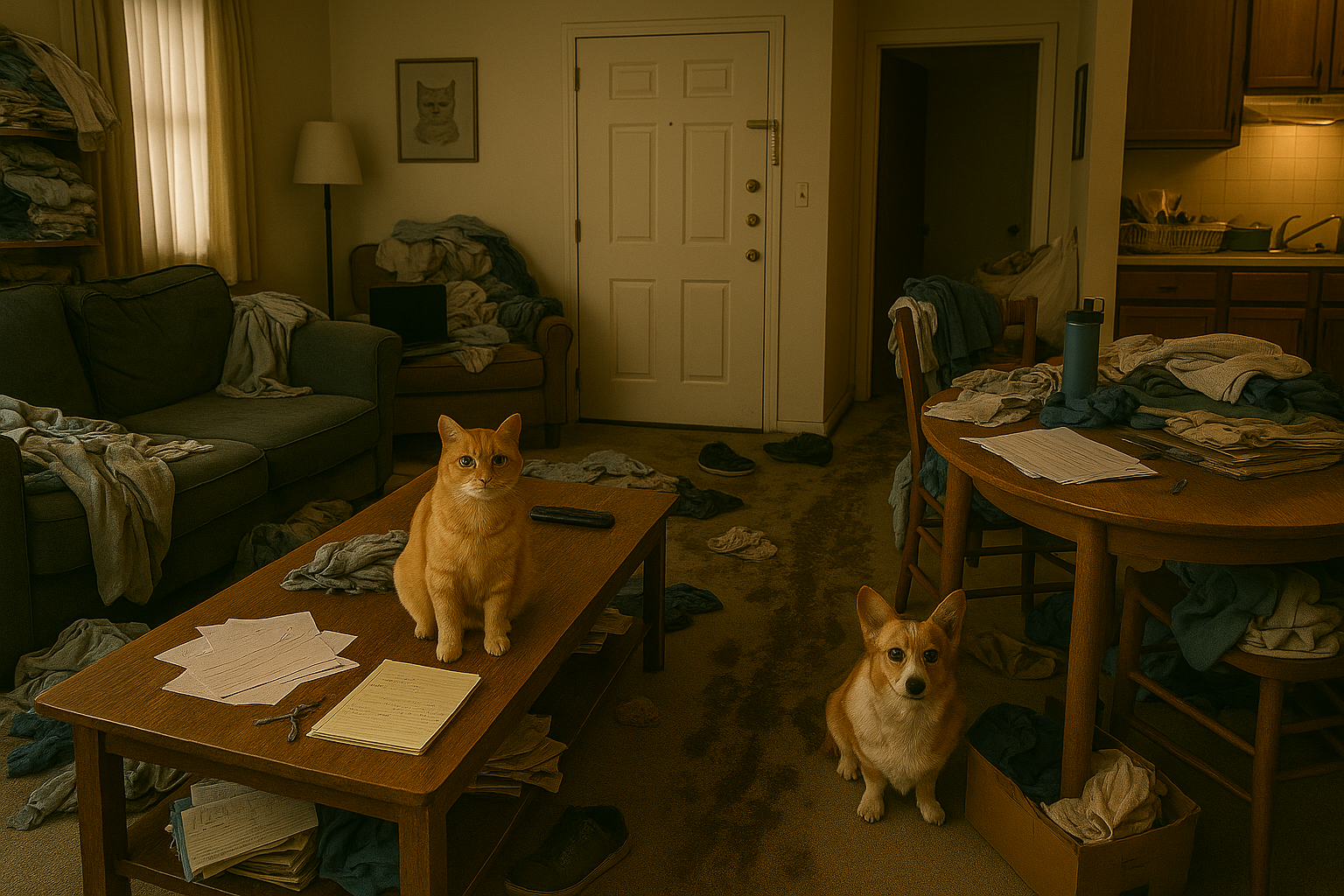
A few more conceptual fragments from the wider emotional terrain around They Heinous — the quieter corners, the personal spaces, the aftermath.