Dr. Stevens
Fear has no orientation.
He does not sort the vulnerable into categories that comfort them. He does not care what name a person gives themselves, who they love, how they present, or what banner they place between themselves and the dark. Hunger does not discriminate. Neither does he.
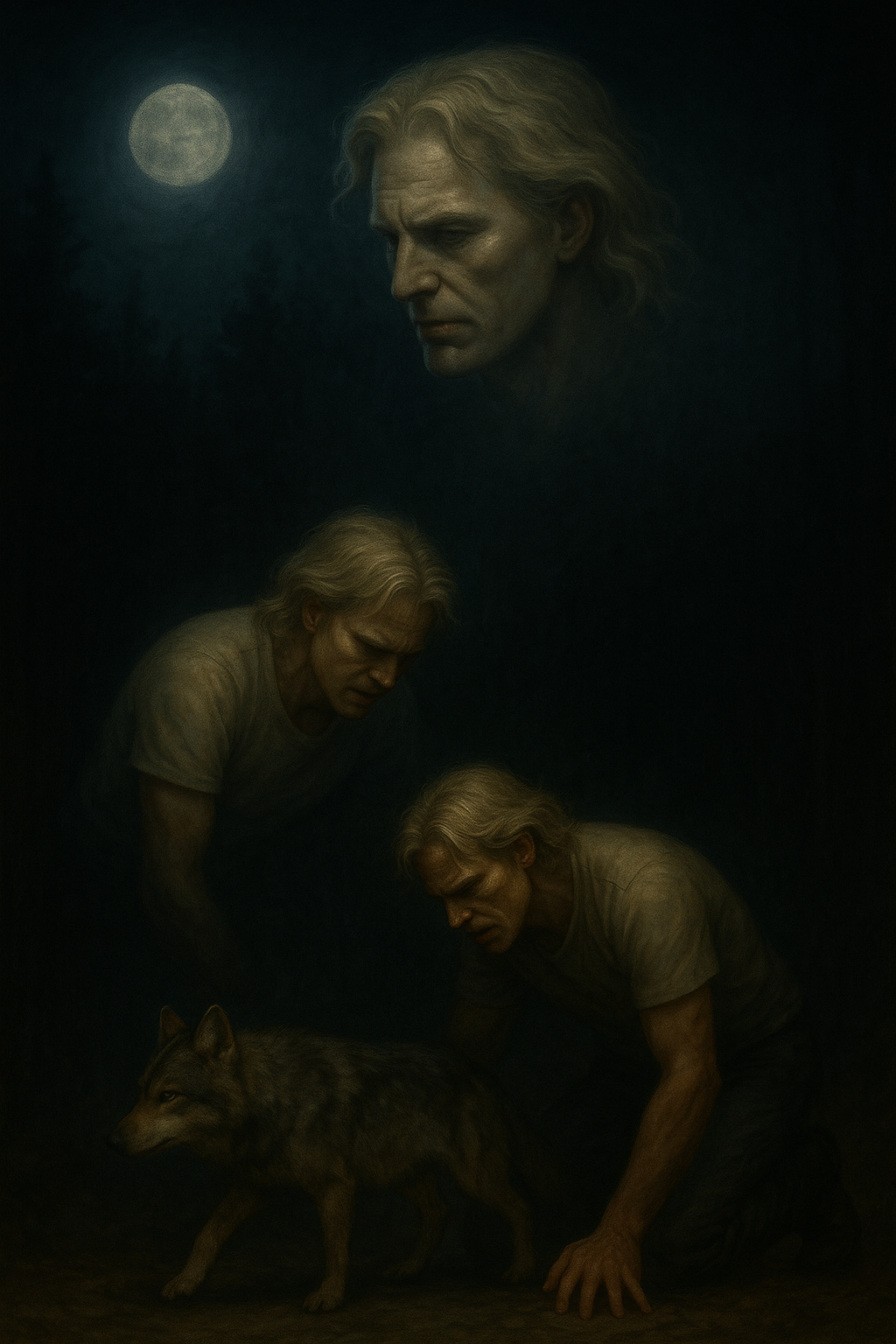
The Doctor Is a Vampire
Dr. Stevens does not arrive as myth. He arrives as process. As observation. As someone who appears before the system does and waits beside the moment where fear becomes useful.
He understands trauma, presentation, loneliness, secrecy, shame, desire, performance, and self-protection. He studies all of it. Then he feeds through the gap between what a person says they are and what terror reduces them to.
Orientation does not save anyone. Identity does not make a shield. Fear reaches everyone eventually, and he is patient enough to meet it there.

“You keep asking whether I see you. I do. I simply see you without your defenses.”
“Fear has no orientation. It only has access points.”
“People love to call themselves complicated. Panic makes them simple.”
Observed Fragments


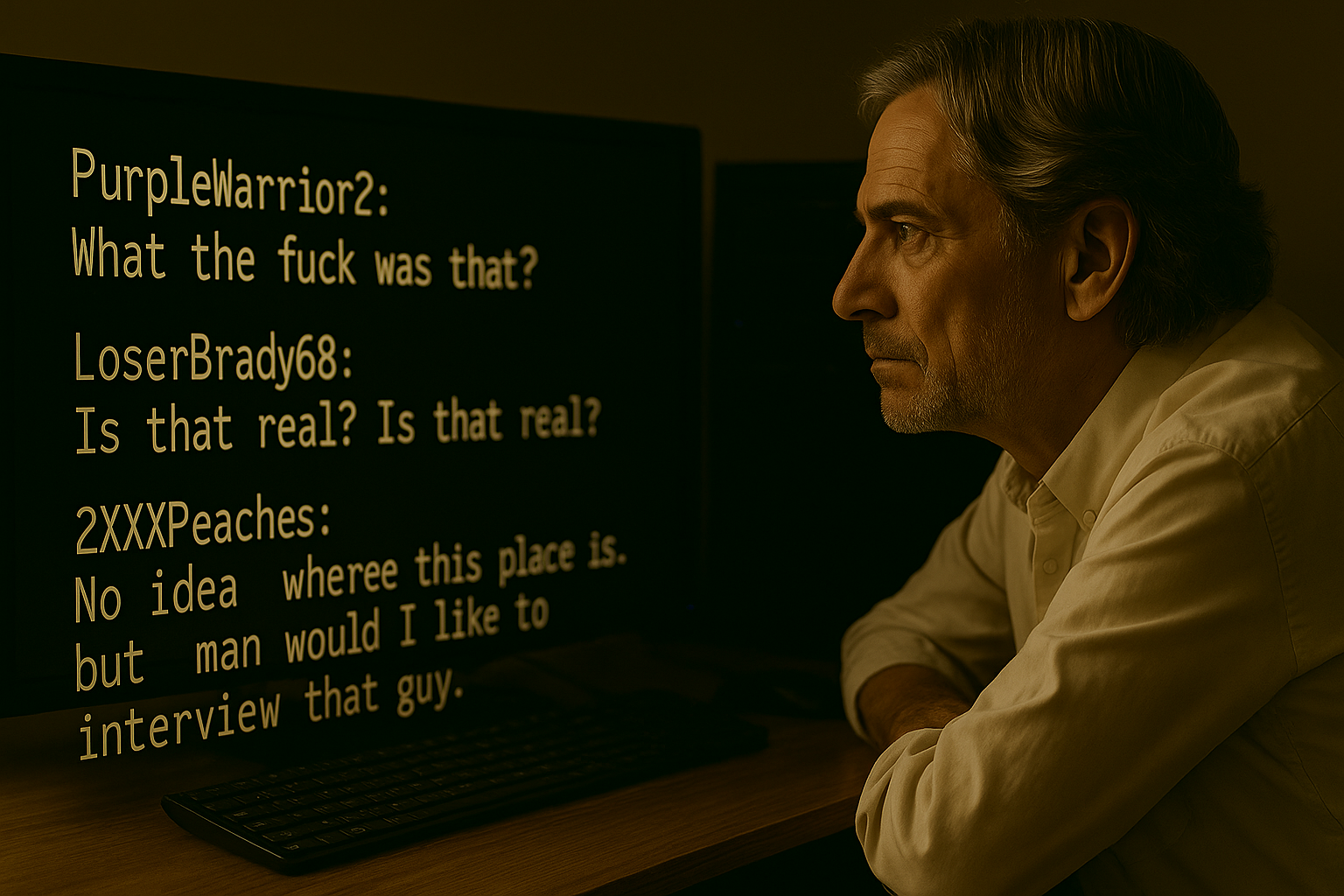


“You want monsters to choose. To sort. To spare you for being honest about yourself. That is still vanity.”
“I have met men who lied, women who performed strength, and the beautifully self-declared who still trembled exactly the same.”
Fear is not selective. It does not care how modern you are, how openly you live, how bravely you speak, or how carefully you have defined yourself to others. The moment it enters, it clears the room and asks what you are without the language you trust.
That is where Dr. Stevens waits—not to correct you, not to judge you, but to know you at the exact instant you stop being abstract.